


Outdoor Security Camera Placement: The Side of the House You Might Miss
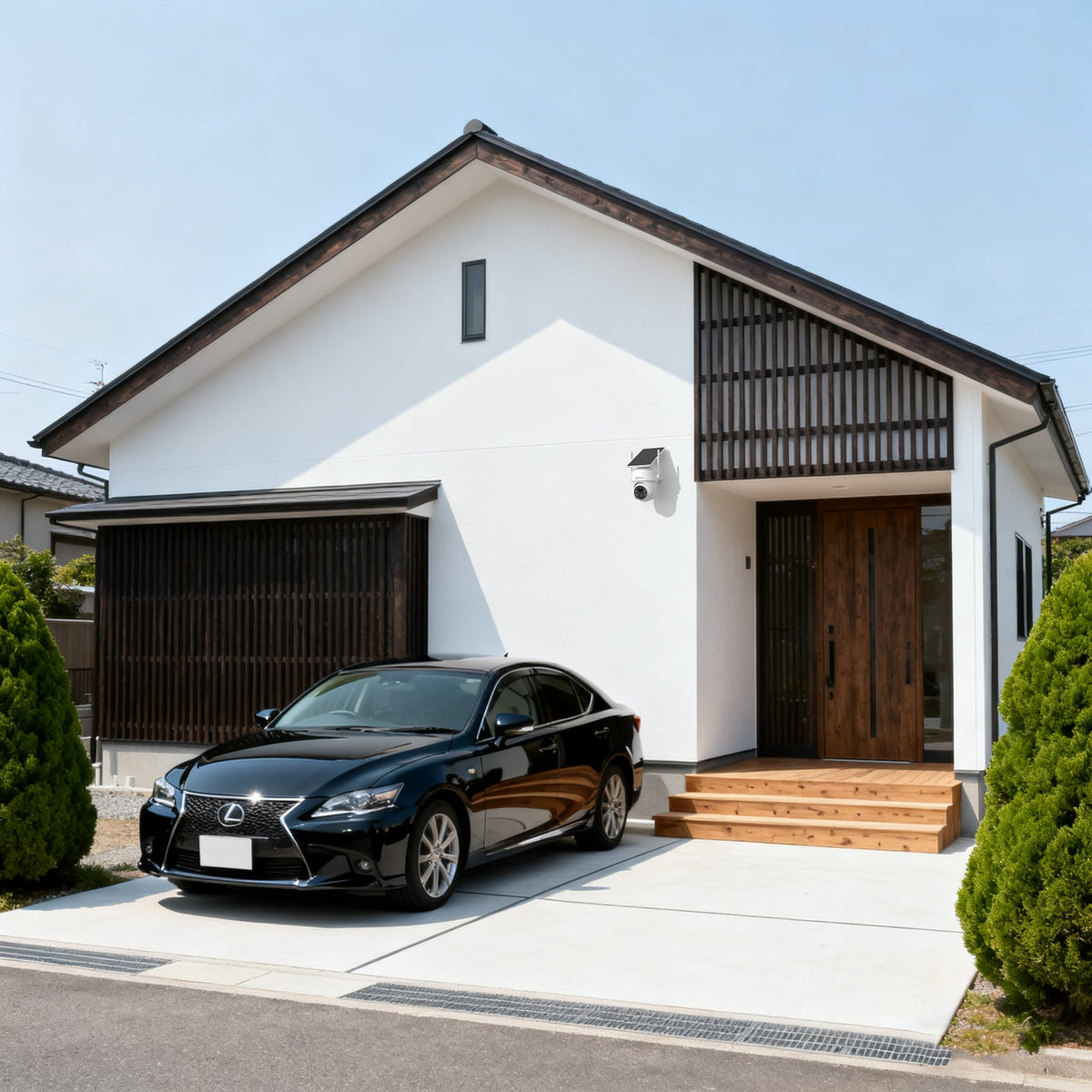
The Side of the House You Rarely Think About
Most homeowners know exactly where they would put a security camera if they were asked to protect the front of their house.
The front door is an obvious choice. The driveway comes next. Depending on the property, the garage or backyard may also make the list.
But what about the narrow passage between the house and the fence?
It might contain a few bins, an outdoor tap, an air-conditioning unit, or a gate leading to the backyard. You may walk through it every week without giving it much thought. From inside the house, the area might be almost impossible to see.
That is precisely why it is worth taking a closer look when planning outdoor security camera placement.
Why Side Yards Are Easy to Overlook
Side yards are often practical spaces rather than places where people spend time. They may be too narrow for a patio, too shaded for a garden, or simply used for moving between the front and back of the property.
Because they are not always visible from the street, these spaces can fall outside the natural line of sight from a window or front entrance. A camera covering the driveway may not show the side gate, and a backyard camera may not capture the route leading toward it.
This does not mean every side yard needs its own camera. It means homeowners should check the layout before deciding that the main entrances provide enough coverage.
Take a Walk Around the Property
Start at the front door and walk around the outside of your home. Rather than looking only at the places where you spend time, pay attention to the routes connecting one area to another.
Look for Routes That Lead to the Backyard
Is there a side gate? Can someone move from the driveway to the backyard without passing through the front entrance? Is the path hidden by a fence, hedge, or wall?
These questions help you identify places where the view from one camera may stop and another area begins. You may find that a small adjustment to an existing camera's position improves the view, or that a separate camera is worth considering.
Check the Doors and Windows You Cannot Easily See
Look at side doors, utility entrances, and accessible windows. Consider whether outdoor equipment or stored items make these areas difficult to observe from inside the house.
Camera placement should be guided by your property's actual layout. Avoid pointing cameras into neighboring windows or private spaces, and check local rules that may apply to outdoor recording.
Notice Lighting and Obstructions
A location that looks clear in the afternoon may be much darker at night. Tree branches, fences, roof edges, and other objects can also obstruct the view or change the camera's performance in different weather conditions.
Before settling on a position, think about the view at different times of day. If the camera relies on a wireless connection or solar charging, check the manufacturer's installation guidance and make sure the location is suitable for those requirements.
Choosing a Camera for an Overlooked Area
There is no single camera placement that works for every property. A long side passage, an open side yard, and a gate near the driveway all present different challenges.
If you are looking for a solar-powered battery camera, you can review the ANRAN Q3 Max 5MP Solar Battery Camera. Its product page provides the current details you will need to assess whether it suits your intended installation.
Another option to compare is the ANRAN QV4M5 AOV 5MP Solar Battery Camera. As with any outdoor camera, consider the view you need, the mounting location, connectivity, and the manufacturer's installation recommendations.
For homeowners interested in a dual-lens design, the ANRAN 4MP+2MP+2MP Dual-Lens Wireless Solar Security Camera with Two-Way Talk is another model to explore. Review its product details to understand the available views and supported functions before deciding whether it fits the space.
You can compare these models with other available options in the ANRAN security camera collection. The right choice depends on the layout of your property, the areas you want to monitor, and the features supported by each model.
Aiming the Camera Is Just as Important as Choosing It
Once you have selected a suitable camera, spend time considering the angle. A camera mounted too high may capture the general layout but miss details near the ground. A camera aimed too narrowly may leave a gap near the gate or the path leading to the backyard.
Try to cover the route or area that matters rather than pointing the camera at an attractive but unhelpful view. Check whether the fence, eaves, plants, or stored items obstruct the image. If possible, review the camera's live view while adjusting the mounting position.
For solar-powered models, do not focus on the camera angle alone. The panel's exposure to sunlight and the manufacturer's recommended positioning also matter. A location that gives a good view but does not meet the model's installation requirements may not be the best overall choice.
Do You Need More Cameras—or Just a Better Plan?
After walking around your home, you may discover that you do not need additional equipment. An existing camera might cover the side entrance if its angle is adjusted. In another property, a wall or fence may create a genuine blind spot that cannot be addressed from the current mounting point.
Try mapping the areas covered by your current cameras before buying anything else. Mark the front entrance, driveway, side passage, side gate, and backyard access point. Then identify the spaces that remain difficult to observe.
This simple exercise helps you avoid buying equipment that duplicates coverage you already have while overlooking the one area that needs attention.
Keep Privacy in the Plan
Outdoor security should focus on your own property and legitimate monitoring needs. When choosing a camera angle, avoid recording a neighbor's private areas whenever possible. Shared fences, sidewalks, and adjoining driveways may also be subject to local rules or community guidelines.
It is worth checking those requirements before installation. A well-planned camera setup should provide useful visibility without unnecessarily intruding on other people's privacy.
One Overlooked Corner Can Change the Picture
The side of a house may not be the first place that comes to mind when planning security. It is often just a path to the backyard or a narrow strip of ground beside the fence. But if that route connects two important areas, it deserves a place in your assessment.
Take a walk around your property this week. Look for the places you rarely see from indoors, check where existing cameras point, and identify any gaps that matter to your household.
You may find that a small change in placement is enough. If you need another camera, use the actual conditions of the location—not just a list of features—to guide your choice.
Explore available options: Visit the ANRAN security camera collection to compare models for side yards, gates, driveways, and other outdoor areas around your home.
Subscribe for the Latest Updates
Security insights & offers right into your inbox