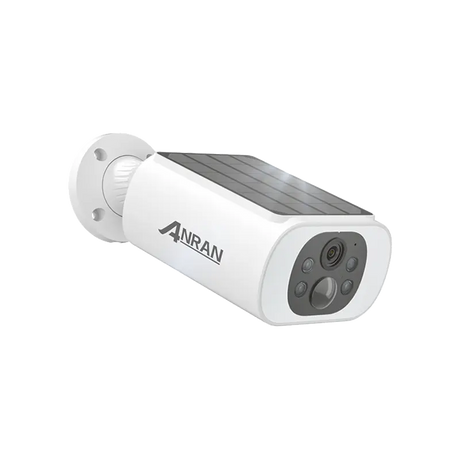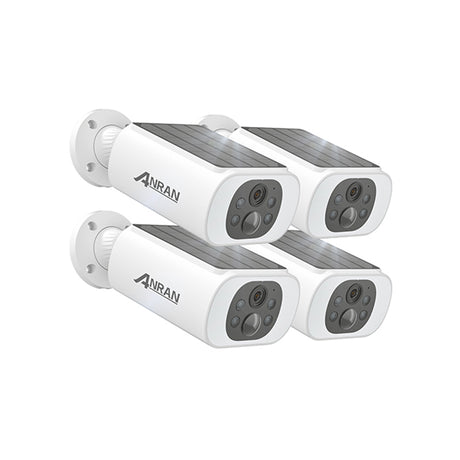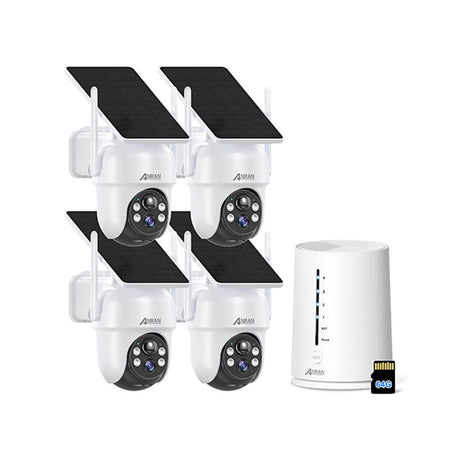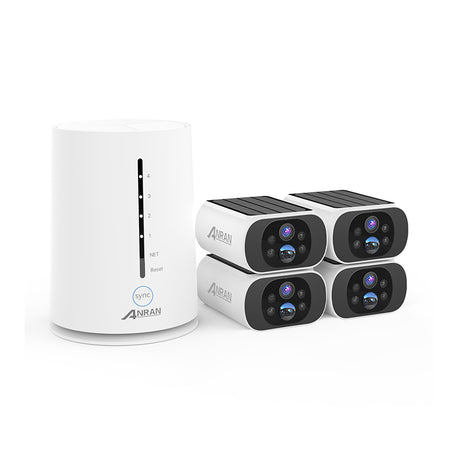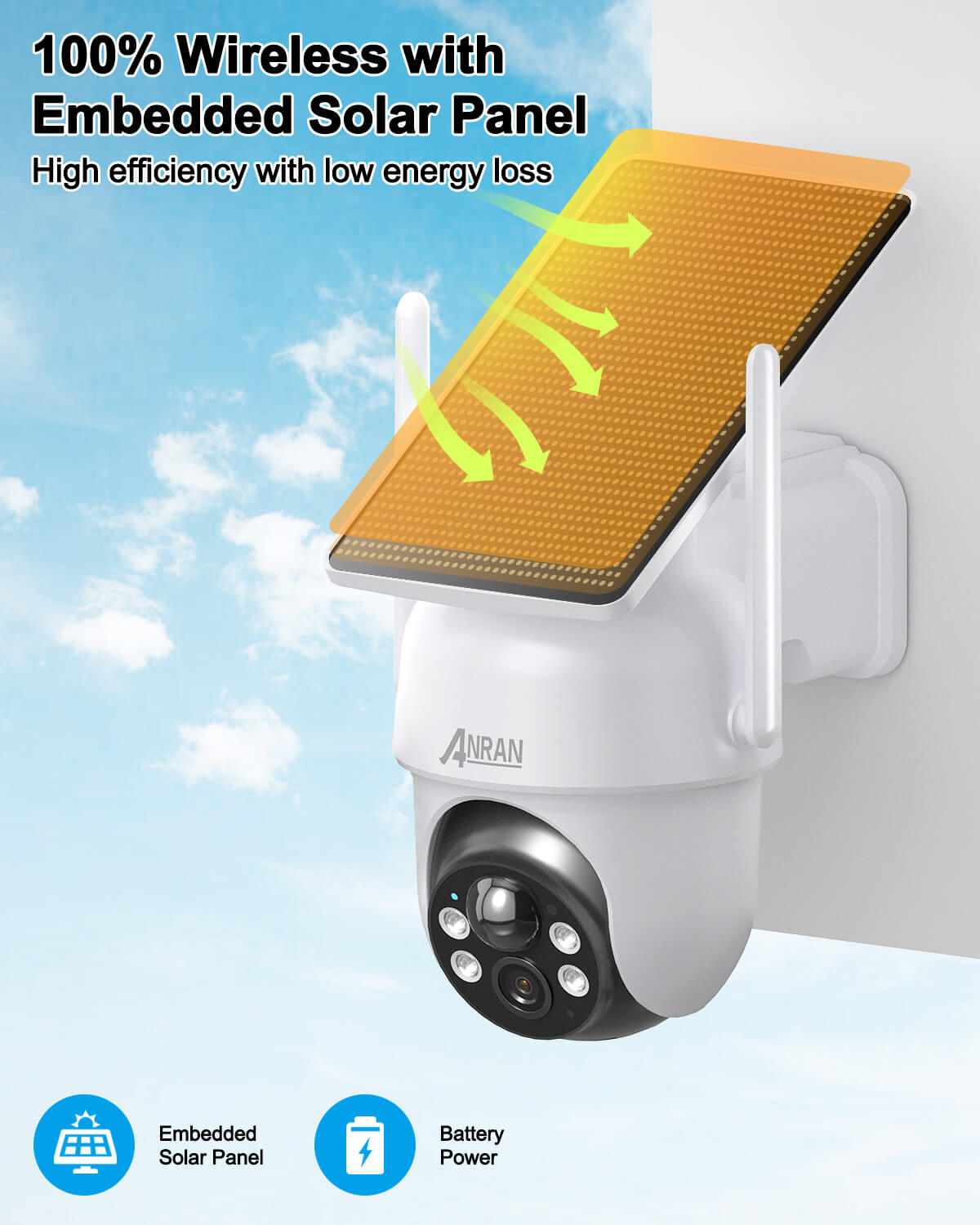
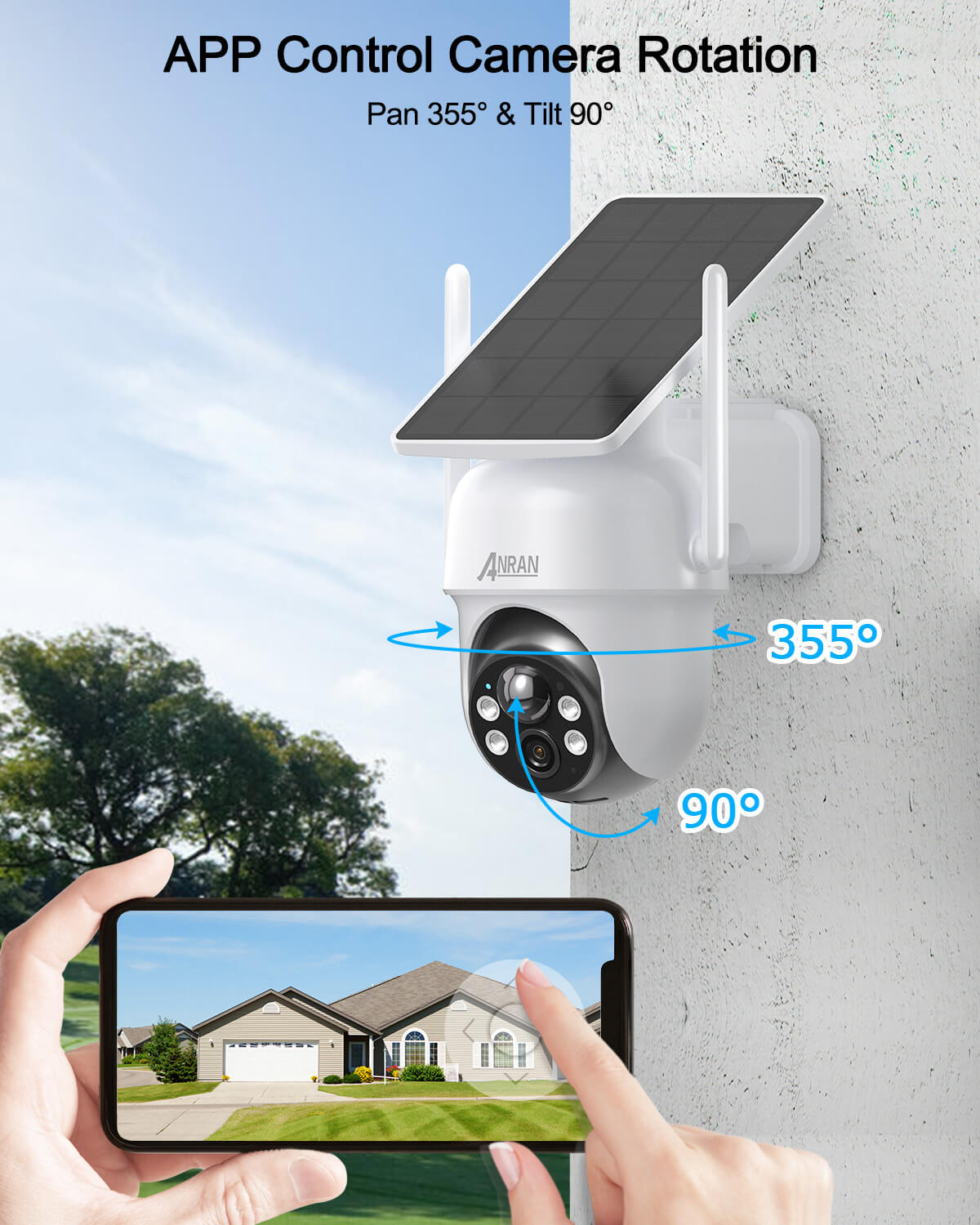
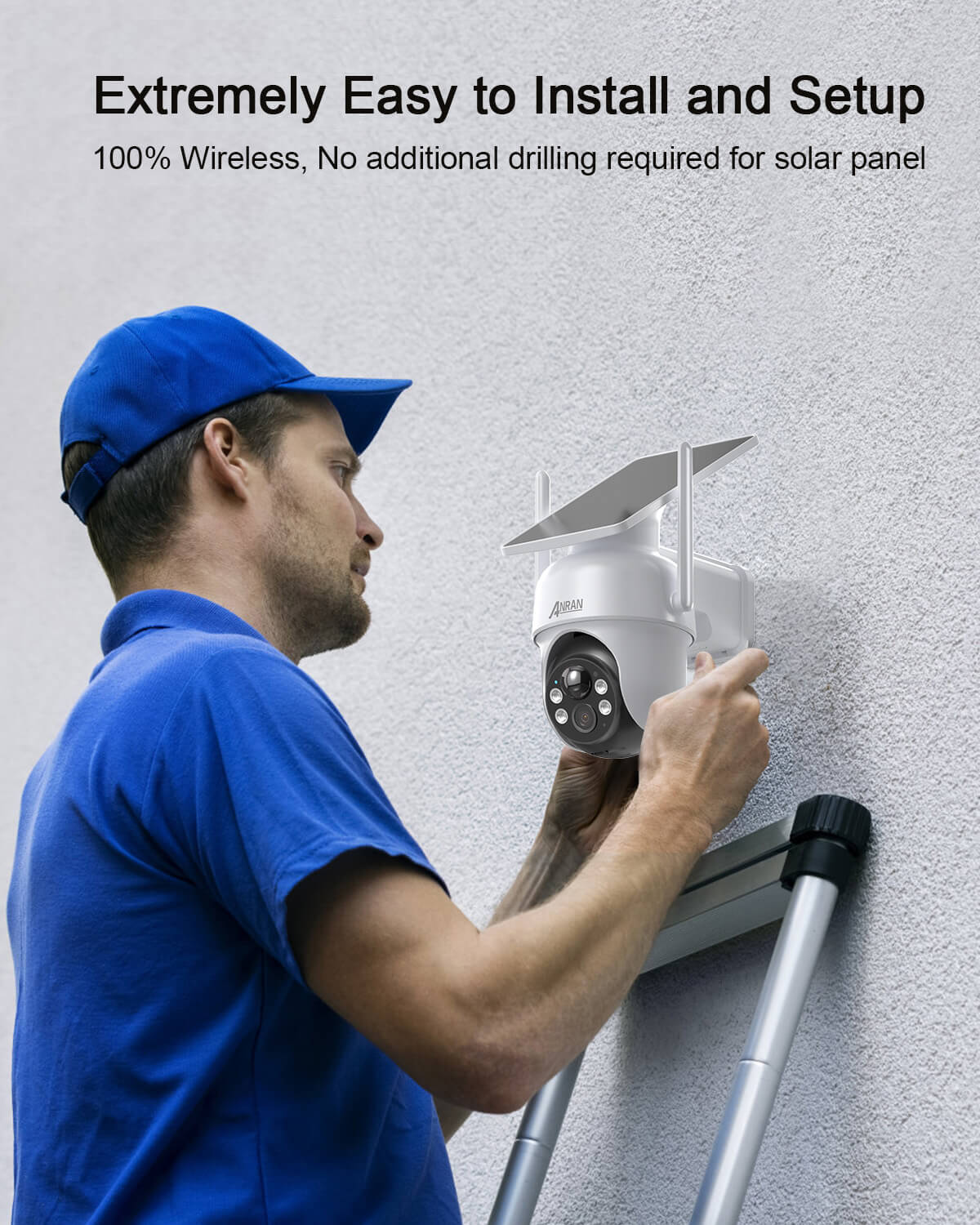


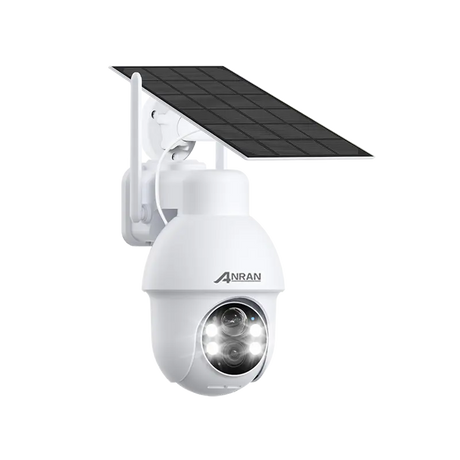
ANRAN 4MP FHD 一体型ソーラーパネル搭載バッテリー式カメラシステム 64GB SDカード付き
ANRAN 4MP FHD 一体型ソーラーパネル搭載バッテリー式カメラシステム 64GB SDカード付き
通常価格
$229.99
セール価格
$229.99
通常価格
$399.99
5%オフ
数量
2年間の拡張保証プラン

安心返品
30日間のリスクフリー返品ポリシーで、安心してお買い求めください。
 30日間のリスクフリートライアル
 24か月保証
 無料アプリアクセス


保証情報に関するヒント
製品を登録して保証期間を24か月に延長
1. 無料保証延長:通常の12か月保証に加え、ANRAN公式ストアの購入者はANRAN製品の保証を24か月に延長できます。
2. 注文IDを提出して保証を延長してください。延長保証を申請できるかどうか、以下のルールをご確認ください。
3. 注文IDで登録した後、製品の保証を請求できます。1営業日以内にご返信いたします。

なぜこのカメラを選ぶのですか?


Anranを30日間お試しいただけます

Anranカメラを購入する
今日

送料無料
3~8営業日

自宅でお試しください
30日間リスクフリートライアルを開始する
仕様

送料無料
すべての注文に高速・無料配送をご利用いただけます。30日以内の返品が可能です。

正規保証
すべてのAnranカメラは当社の品質保証の対象となっています。

フレキシブル決済
Paypal およびクレジットカードでの安全な決済。

専門サポート
私たちのチームが、あなたのお手伝いを一歩ずつサポートいたします。
よくある質問
よくあるご質問に対する回答
製品を組み合わせると
機能がアンロックされ、お得になります
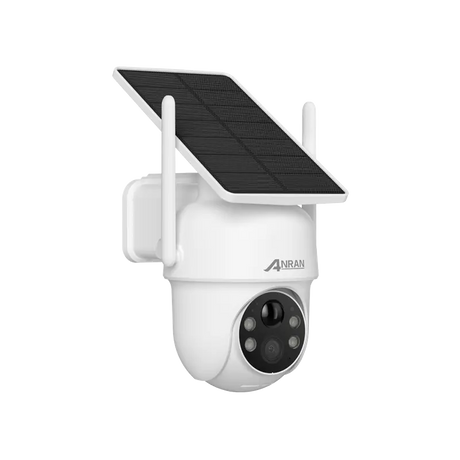
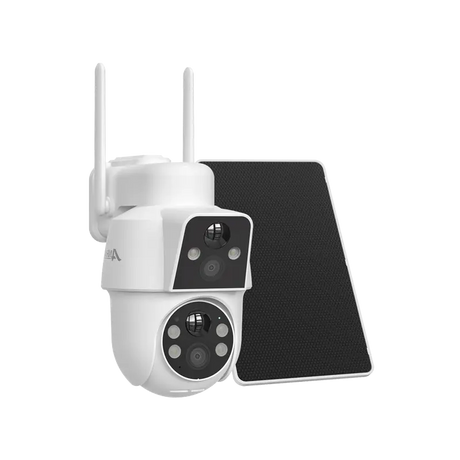
ANRAN 4MP(2MP+2MP) デュアルレンズ ワイヤレス ソーラー セキュリティ カメラ 双方向通話機能付き
360° カバレッジとスマートトラッキングアクティブディフェンス機能を備えたインスタントアラート
53%オフ